

THINK DEEPER.
BUILD WHAT
MATTERS.
Critical thinking today.
Leadership for tomorrow.
Students are not simply learning about the world. They are learning how to understand it, question it and shape it.
CRITICAL THINKING
Question assumptions & build analytical rigour
AI & TECHNOLOGY
Responsible creation, computation & ethics
DESIGN & INNOVATION
Iterative prototyping from napkin to physical test
REAL-WORLD PROJECTS
Field inquiry in ecology, community & civic systems
GLOBAL LEADERSHIP
Purposeful communication with multi-cultural empathy
MYP LEARNING AREAS
Where academic breadth meets experiential agency. Guided by the International Baccalaureate Middle Years framework.
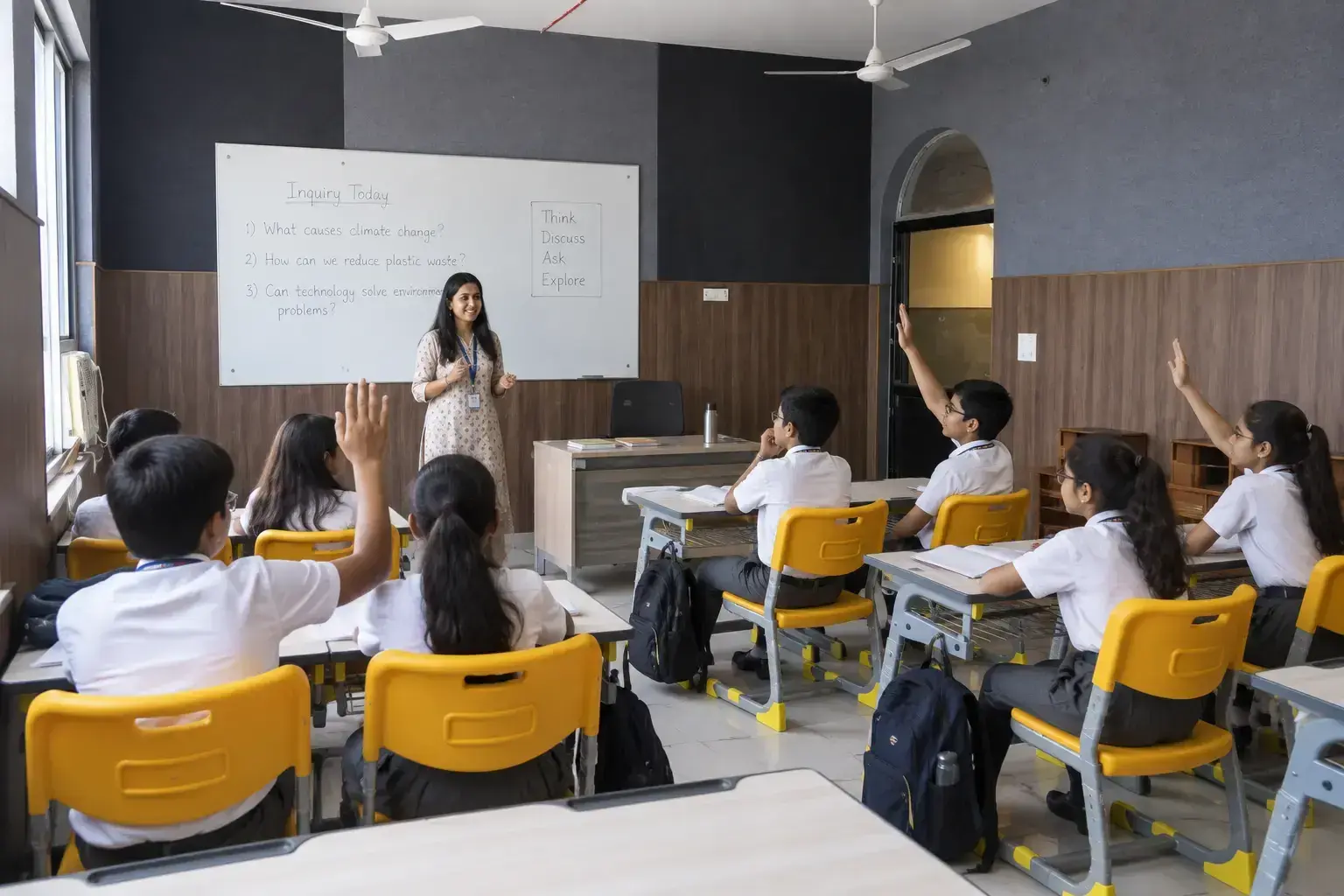
CRITICAL THINKING
Students analysing information, debating ideas or solving a complex problem.
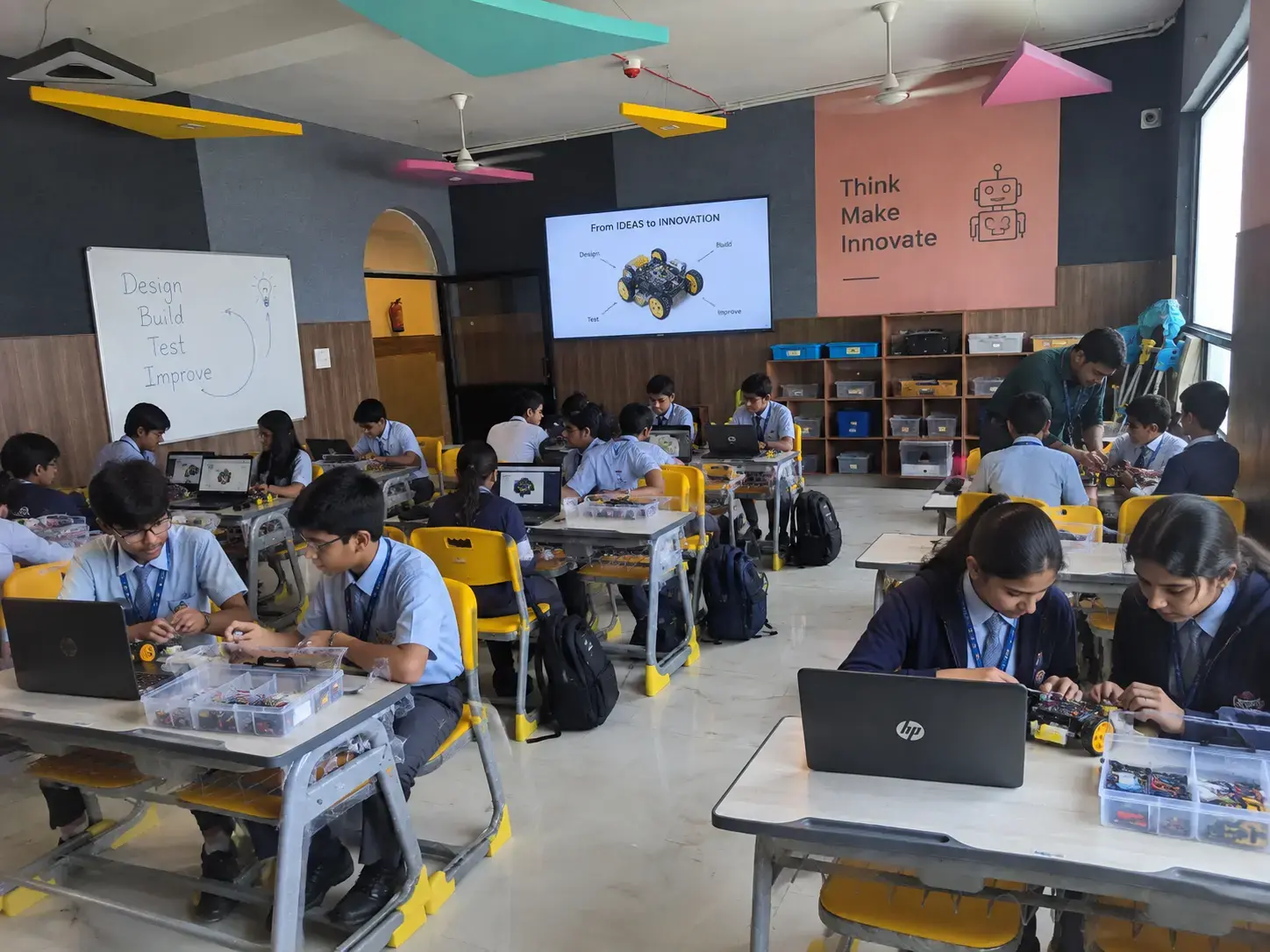
AI & TECHNOLOGY
Students exploring AI, coding, robotics, digital tools or technology-driven solutions.
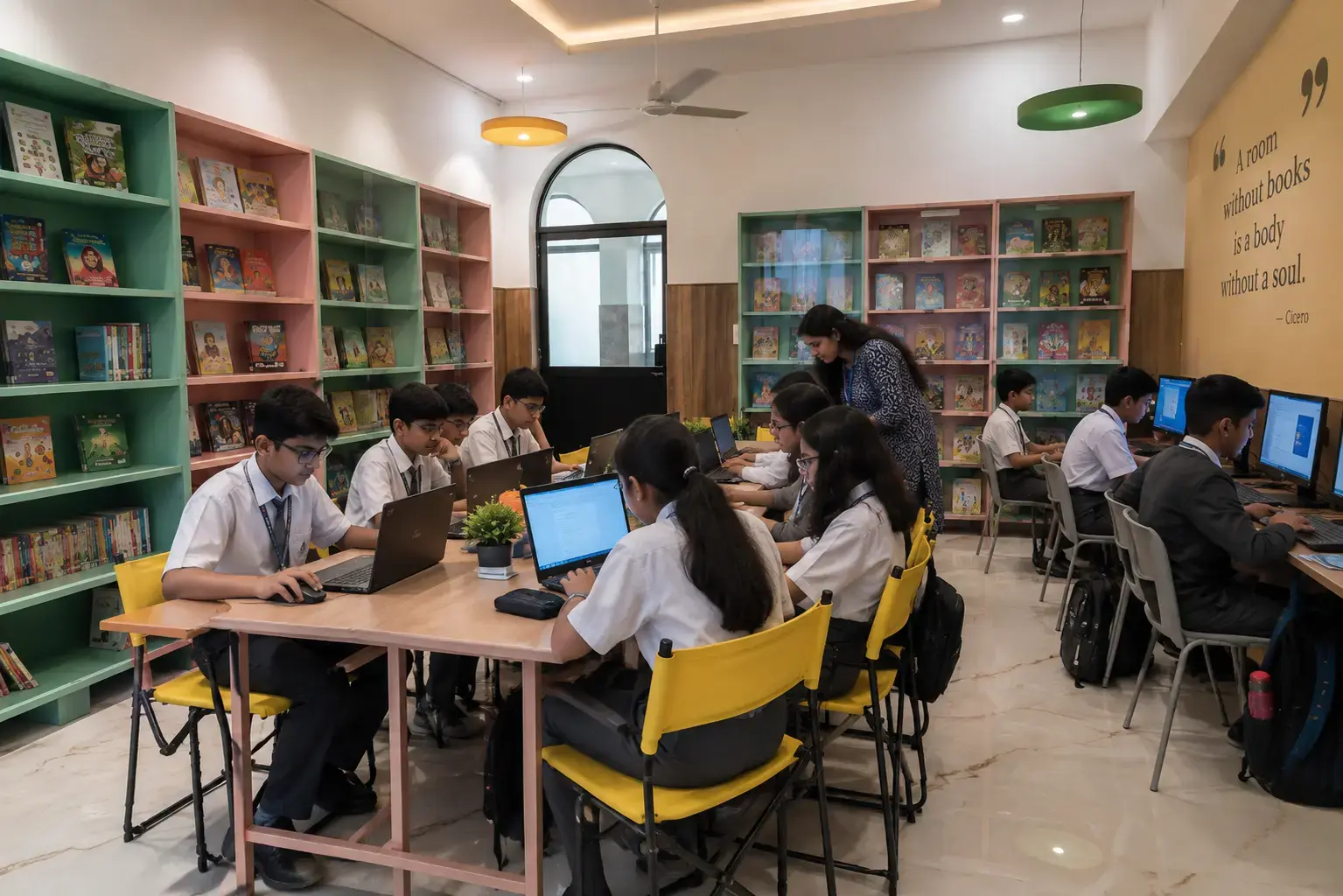
DESIGN & INNOVATION
Students designing, prototyping, testing and improving an idea.
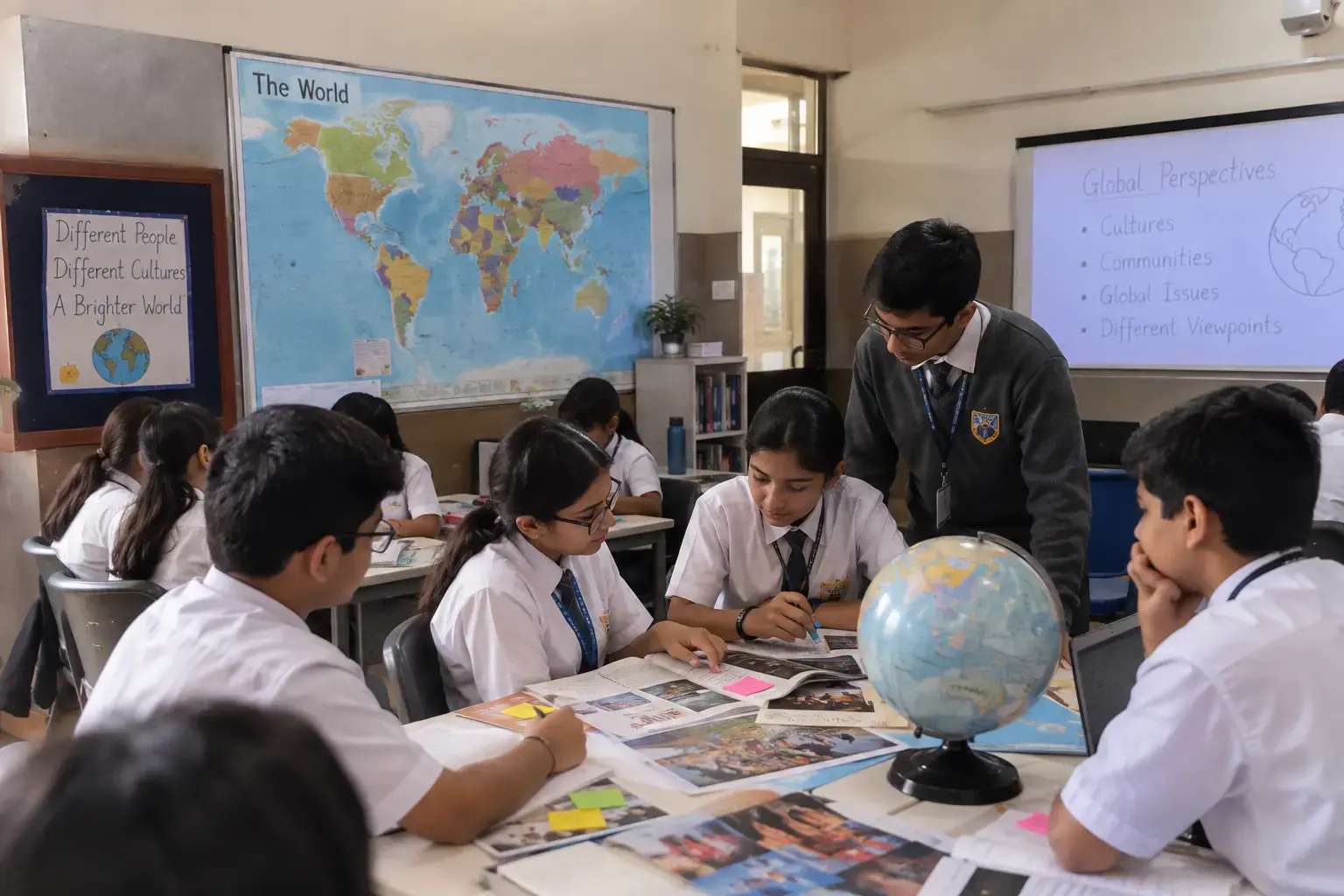
GLOBAL PERSPECTIVES
Students exploring cultures, communities, global issues and different perspectives.

LEARNING TO
SHAPE THE FUTURE
Computers and tools shouldn't just keep kids busy on a screen.
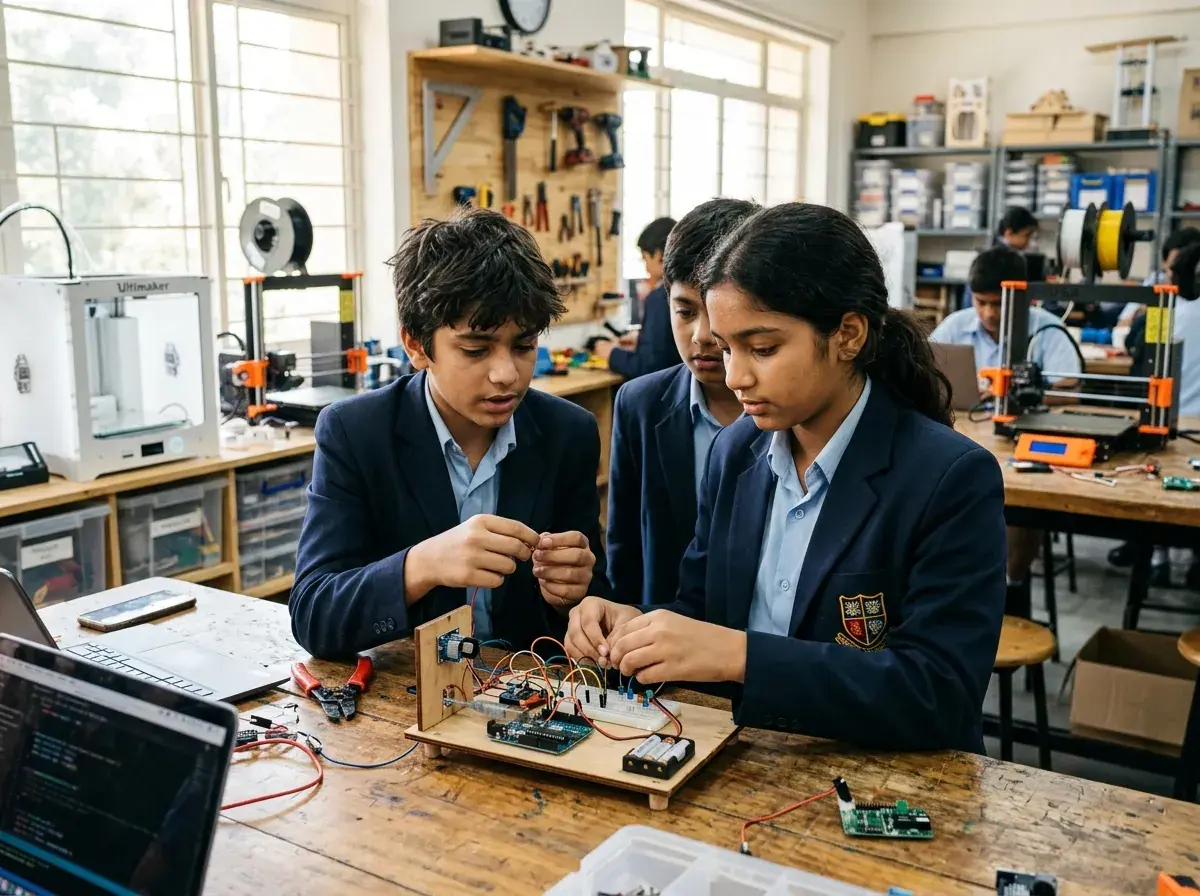
Here, they become tools kids use to ask real questions, build working models, and solve problems they actually care about.
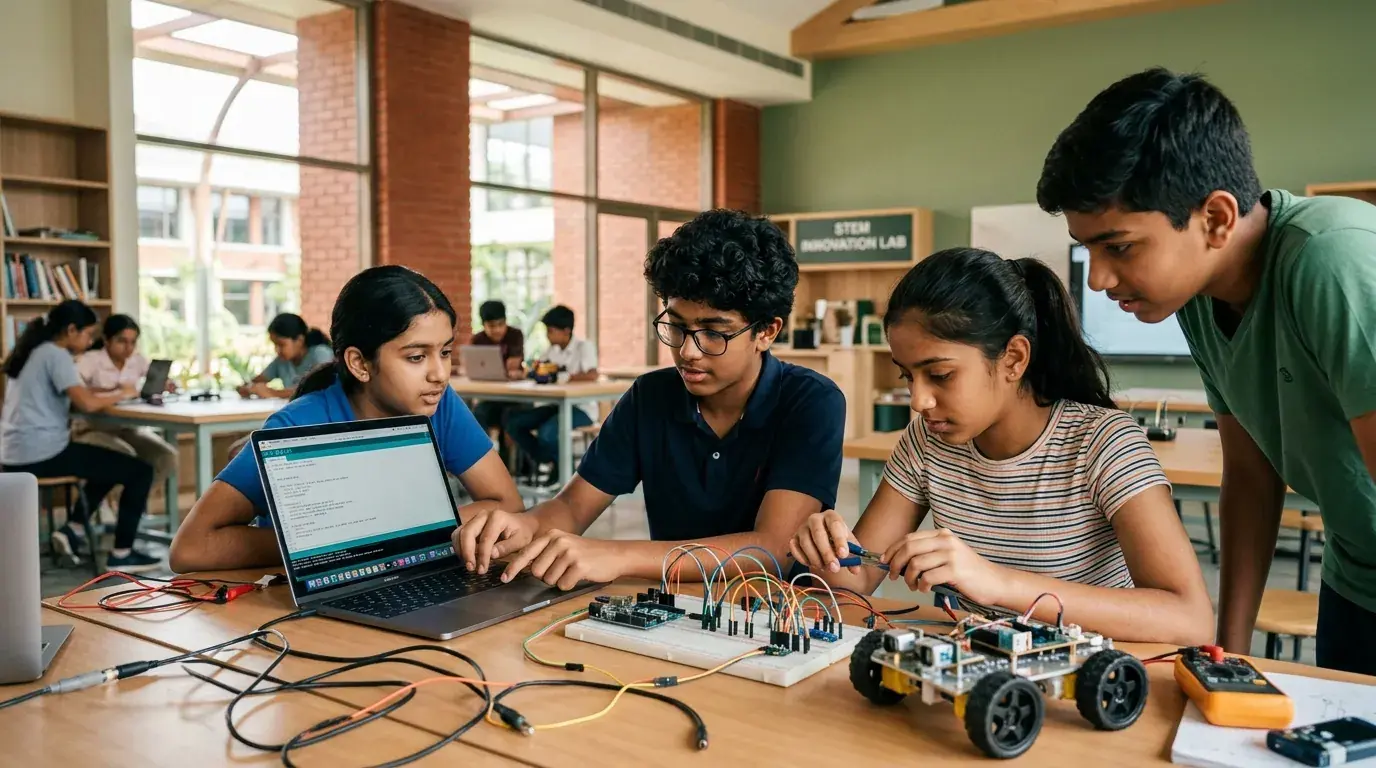
Applied Electronics
Wiring up simple circuits, plugging in sensors, and figuring out how everyday electronics actually tick under the hood.
Computational Thinking
Breaking big, messy problems down into smaller steps, writing clean code, and testing ideas until they work smoothly.
Ethical AI Literacy
Understanding when to use smart tools, spotting bias or mistakes in tech, and learning how to think critically about digital data.
Rapid Prototyping
Sketching ideas on paper, jumping onto 3D design software, and building working physical prototypes with their own hands.